Source Modern Embossed Cotton Bedspread for Home Hotel Hospital
Compare 30 listings for modern embossed cotton bedspread tailored for home, hotel, and hospital use. Buyers can evaluate materials like 100% cotton or polyester blends, sizes including king and queen, and features such as anti-bacteria or waterproof properties from verified Chinese manufacturers.
Key considerations
Products List





Comprehensive Sourcing Guide
Modern Embossed Cotton Bedspread Sourcing Guide
Sourcing modern embossed cotton bedspreads requires a careful balance between aesthetic appeal and functional durability, particularly for hospitality and residential contracts. Buyers must recognize that "embossed" refers to a surface texture created through heat and pressure, which can affect the hand feel and breathability of the final product. While the core keyword emphasizes cotton, market listings reveal a diverse material landscape, including 100% polyester, polyester-cotton blends, and even acrylic mixes. This variation means that material composition is not a fixed attribute but a critical decision point that impacts cost, care instructions, and longevity. Procurement teams should prioritize verifying the exact fiber content before placing orders, as the visual similarity between high-quality cotton and synthetic alternatives can be deceptive without physical sampling.
The customization potential for these items is extensive, allowing brands to tailor designs to specific interior themes or corporate identities. Suppliers frequently offer OEM services, accepting custom patterns, logos, and specific size requirements such as King or Queen dimensions. This flexibility extends to packaging, with options ranging from individual polybags to bulk cartons, which influences logistics and retail presentation. However, the availability of hundreds of ready designs does not guarantee that every supplier can replicate a unique brand aesthetic with precision. Buyers must establish clear communication channels regarding design files and approval processes to ensure that the embossed texture aligns with the intended modern aesthetic, avoiding generic looks that fail to differentiate their product line in a competitive market.
Product Scope and Observed Listing Signals
The current market for bedspreads and mattress covers exhibits a wide range of specifications, reflecting varied end-use requirements. Observed listings indicate that products are designed for home, hotel, and hospital environments, suggesting that durability and hygiene are paramount considerations. For instance, some items feature anti-bacterial and waterproof properties, which are essential for healthcare settings, while others focus on aesthetic plain or printed styles for residential use. The presence of models like "Cotton Bedspread-036V" and "Bedspread Mattress Covers-035e-006W" highlights the diversity in product naming and categorization. Buyers should not assume that all items labeled as "cotton" share identical performance characteristics, as the scope includes quilted, ultrasonic, and woven constructions with varying filling compositions.
Price and minimum order quantity (MOQ) ranges further illustrate the fragmented nature of this supply chain. Listed prices vary significantly, and MOQs can range from small batches of 50 units to large industrial orders of 2000 or more. Some suppliers specify an MOQ of 10,000 units, which may be prohibitive for smaller retailers or boutique hotels. This disparity requires buyers to align their procurement volume with supplier capabilities early in the sourcing process. Additionally, the inclusion of features like anti-dust mite or anti-pull properties adds value for specific segments but may increase production complexity. Understanding these signals helps buyers filter suppliers effectively, focusing on those whose operational scale and product range match their specific procurement needs and budget constraints.
Technical Specifications to Verify
Verifying technical specifications is crucial to ensuring that the bedspreads meet functional and aesthetic expectations. Key attributes to confirm include the knitting method, such as machine weaving, and the fabric composition, which may be 300tc 85X72 or other blends. The coverlet composition often involves a microfiber or velvet cover with a fiber filling of 80-150 GSM, which determines the warmth and weight of the product. Buyers must also verify the size standards, as options like Queen and King are common, but exact dimensions can vary by manufacturer. The bedding style, whether quilted or ultrasonic, affects the durability of the embossed pattern and the overall structure of the bedspread, making it a critical technical detail to specify in purchase orders.
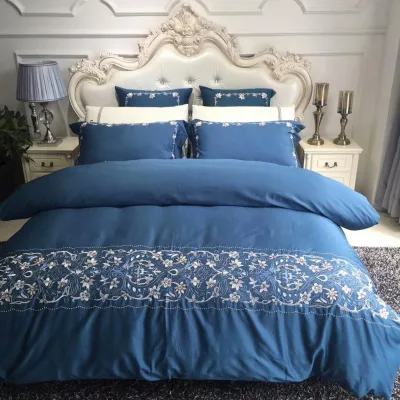
Pattern and design execution are equally important, with options ranging from plain and printed to embroidered styles. The embossed effect itself must be evaluated for its permanence and resistance to washing, as improper techniques can lead to flattening or peeling over time. Suppliers may offer customized standards, but buyers should request detailed technical sheets that outline the thread count, GSM, and specific finishing processes. Additionally, the quantity per set, such as a 3-piece set including a bedspread and pillowcases, must be clearly defined to avoid confusion during fulfillment. By rigorously checking these specifications, buyers can mitigate the risk of receiving products that do not match the intended quality or design, ensuring consistency across large orders.
Compliance and Safety Documentation
Compliance and safety documentation are non-negotiable for bedspreads intended for hospitality and healthcare environments. Buyers must ensure that suppliers provide relevant certifications, such as OEKO-TEX or GOTS, although the presence of these marks should be verified rather than assumed. These certifications confirm that the materials are free from harmful substances, which is critical for products that have prolonged skin contact. For items marketed as anti-bacterial or eco-friendly, buyers should request test reports that validate these claims, as such labels can be misleading without supporting data. The origin of the products, often China, may also require additional due diligence regarding labor standards and environmental regulations, depending on the buyer’s corporate social responsibility policies.
In addition to material safety, buyers should inquire about the chemical treatments used in the embossing and finishing processes. Some suppliers may use adhesives or coatings that could off-gas or cause allergic reactions, making it essential to review the safety data sheets for all components. The packaging materials, whether PVC, OPP, or cartons, should also be evaluated for environmental impact and recyclability, especially if the buyer has sustainability goals. By prioritizing comprehensive documentation, buyers can protect their brand reputation and ensure that their products meet the stringent requirements of their target markets. This proactive approach to compliance reduces the risk of regulatory issues and enhances consumer trust in the quality and safety of the bedspreads.
Cost Drivers and Commercial Terms
Understanding the cost drivers behind modern embossed cotton bedspreads allows buyers to negotiate more effectively and forecast budgets accurately. Material costs are a primary factor, with 100% cotton typically commanding a higher price than polyester or blended fabrics. The complexity of the embossing process, along with any custom printing or embroidery, adds to the production cost. Buyers should also consider the impact of order volume on pricing, as larger MOQs often result in lower unit costs. However, the minimum order quantity of 10,000 units for some suppliers may limit flexibility for smaller buyers, potentially increasing the per-unit cost due to lower economies of scale.
Commercial terms, including payment methods, lead times, and shipping arrangements, significantly influence the total cost of ownership. Buyers should clarify whether prices are FOB, CIF, or EXW, as this affects logistics responsibilities and insurance costs. The packing method, such as individual polybags or bulk cartons, can impact shipping efficiency and storage requirements. Additionally, buyers must account for potential tariffs and import duties, which vary by destination country. By negotiating clear commercial terms and understanding the underlying cost structure, buyers can optimize their procurement strategy, ensuring that they receive the best value for their investment without compromising on quality or delivery timelines.
Supplier Qualification and Quality Control
Supplier qualification is a critical step in mitigating risks associated with sourcing modern embossed cotton bedspreads. Buyers should conduct thorough due diligence, including verifying business licenses, production capacity, and past performance records. Requesting references from existing clients, particularly in the hospitality or retail sectors, can provide insights into the supplier’s reliability and consistency. It is also advisable to visit the factory or hire a third-party inspection agency to assess the production environment and quality control processes. This hands-on verification helps ensure that the supplier has the necessary equipment and expertise to produce high-quality embossed products that meet specified standards.
Quality control measures should be established before production begins, including clear acceptance criteria for materials, workmanship, and final product appearance. Buyers should define acceptable tolerances for color matching, pattern alignment, and embossing depth. Implementing a pre-production sample approval process is essential to catch any potential issues early. During production, regular in-line inspections can help identify defects such as loose threads, uneven stitching, or inconsistent textures. Finally, a pre-shipment inspection should be conducted to verify that the goods meet all contractual requirements before they are dispatched. By maintaining rigorous quality control standards, buyers can minimize the risk of receiving subpar products and ensure customer satisfaction.
Long-Term Procurement Checks
Long-term procurement checks are essential for maintaining a sustainable and efficient supply chain for bedspreads. Buyers should regularly review supplier performance metrics, including on-time delivery rates, defect rates, and responsiveness to issues. Establishing a scorecard system can help track these metrics over time, providing a data-driven basis for supplier evaluations and contract renewals. It is also important to stay updated on market trends and technological advancements in fabric production and embossing techniques. This awareness allows buyers to identify opportunities for cost savings or quality improvements, such as switching to more sustainable materials or adopting new finishing processes.
Additionally, buyers should foster strong relationships with their suppliers through open communication and collaborative problem-solving. Regular business reviews can help align expectations and address any emerging challenges proactively. It is also advisable to diversify the supplier base to reduce dependency on a single source, which can mitigate risks associated with supply disruptions or price volatility. By continuously monitoring and optimizing the procurement process, buyers can ensure that their bedspread supply remains reliable, cost-effective, and aligned with their strategic goals. This long-term perspective helps build a resilient supply chain that can adapt to changing market conditions and customer demands.
FAQs
What materials are used for modern embossed cotton bedspreads?
Modern embossed cotton bedspreads are primarily crafted from 100% cotton or polyester-cotton blends. Some variants utilize polyester or acrylic fibers for specific textures. The fabric composition often includes high thread counts like 300tc, ensuring durability and a soft hand feel suitable for home and hotel environments.
Can I customize the design of a cotton bedspread?
Yes, customization is available for modern embossed cotton bedspreads. Buyers can request specific patterns, including printed or embroidered designs, tailored to their requirements. OEM services are acceptable, allowing for unique branding or aesthetic preferences to be integrated into the final product for both home and hospitality sectors.
What sizes are available for these bedspreads?
Standard sizes include King and Queen dimensions to fit various bed types. Some models offer flexible sizing options to accommodate specific mattress dimensions. Buyers should verify the exact coverlet size requirements, as availability may vary by manufacturer and specific product model selected for their interior design project.
What features do these bedspreads offer?
These bedspreads often feature anti-bacterial, waterproof, and anti-dust mite properties. Additional benefits include anti-pilling and eco-friendly materials. The embossed or quilted styles provide aesthetic appeal while maintaining functional performance, making them suitable for hospitals, hotels, and residential homes requiring durable and hygienic bedding solutions.
What is the typical MOQ for bulk orders?
The minimum order quantity typically ranges from 50 to 2000 pieces, depending on the supplier and customization level. Some listings indicate an MOQ of 10000 for specific standardized items. Buyers should confirm the exact MOQ with manufacturers, as it varies based on whether the order requires custom designs or standard stock items.
How are the bedspreads packed for shipping?
Bedspreads are individually packed in polybags, PVC bags, OPP bags, or cartons to ensure protection during transit. The packaging method is chosen to maintain product integrity and facilitate easy storage. Buyers can often specify their preferred packing style to align with their logistics requirements and retail presentation needs.